
Javakheti
Rabati Castle
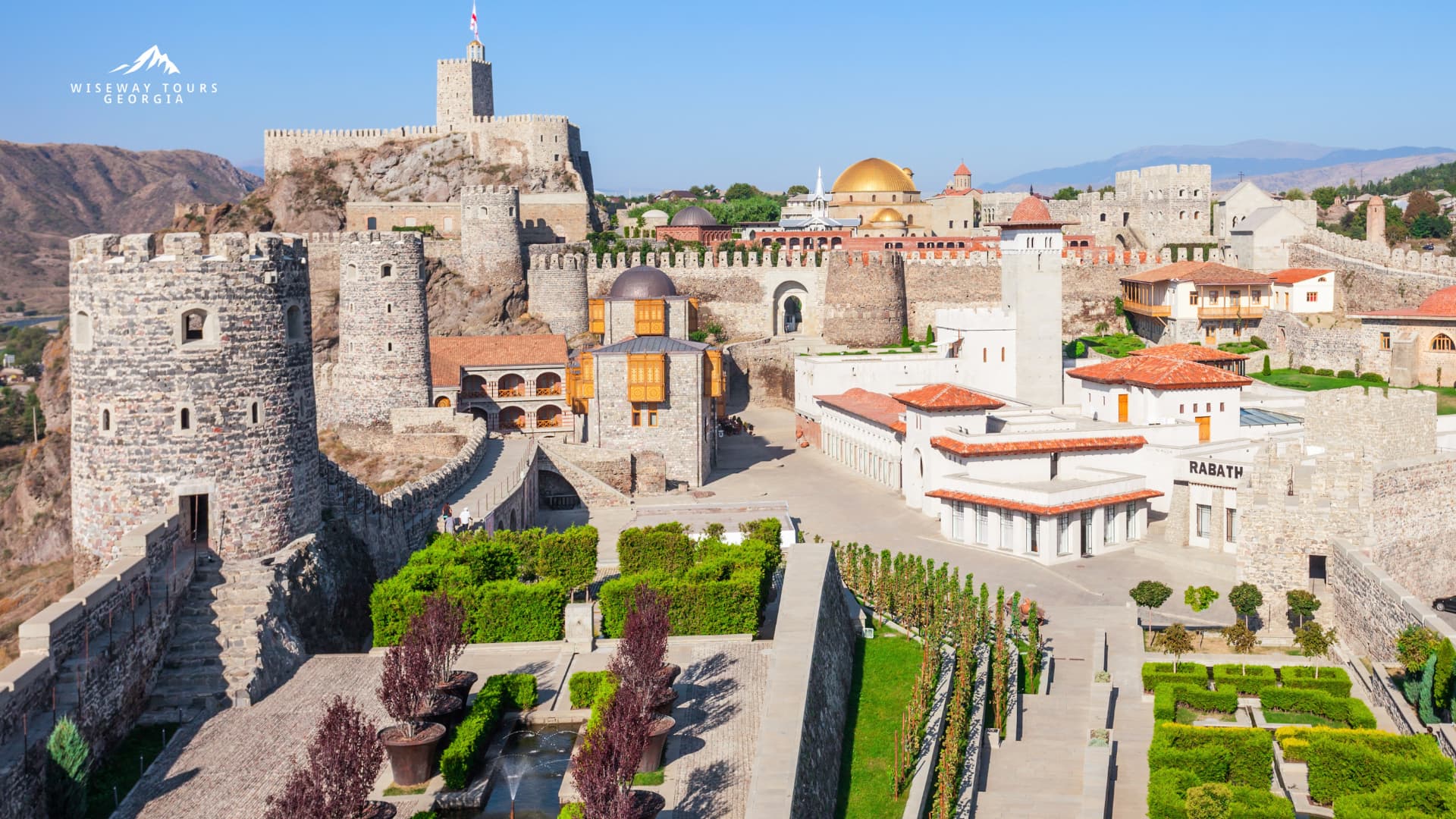
Rabati Castle’s history spans several centuries and encompasses various architectural styles and cultural influences. Originally built by the Georgian Kingdom of Samtskhe, the castle was strategically positioned to control the region and protect it from external threats.
Throughout its history, Rabati Castle has been influenced by different rulers and empires. It was expanded and renovated under the Ottoman Empire, the Georgian Kingdom, and later the Russian Empire. Each period left its mark on the castle’s architecture, contributing to its diverse and rich historical character.
Vardzia
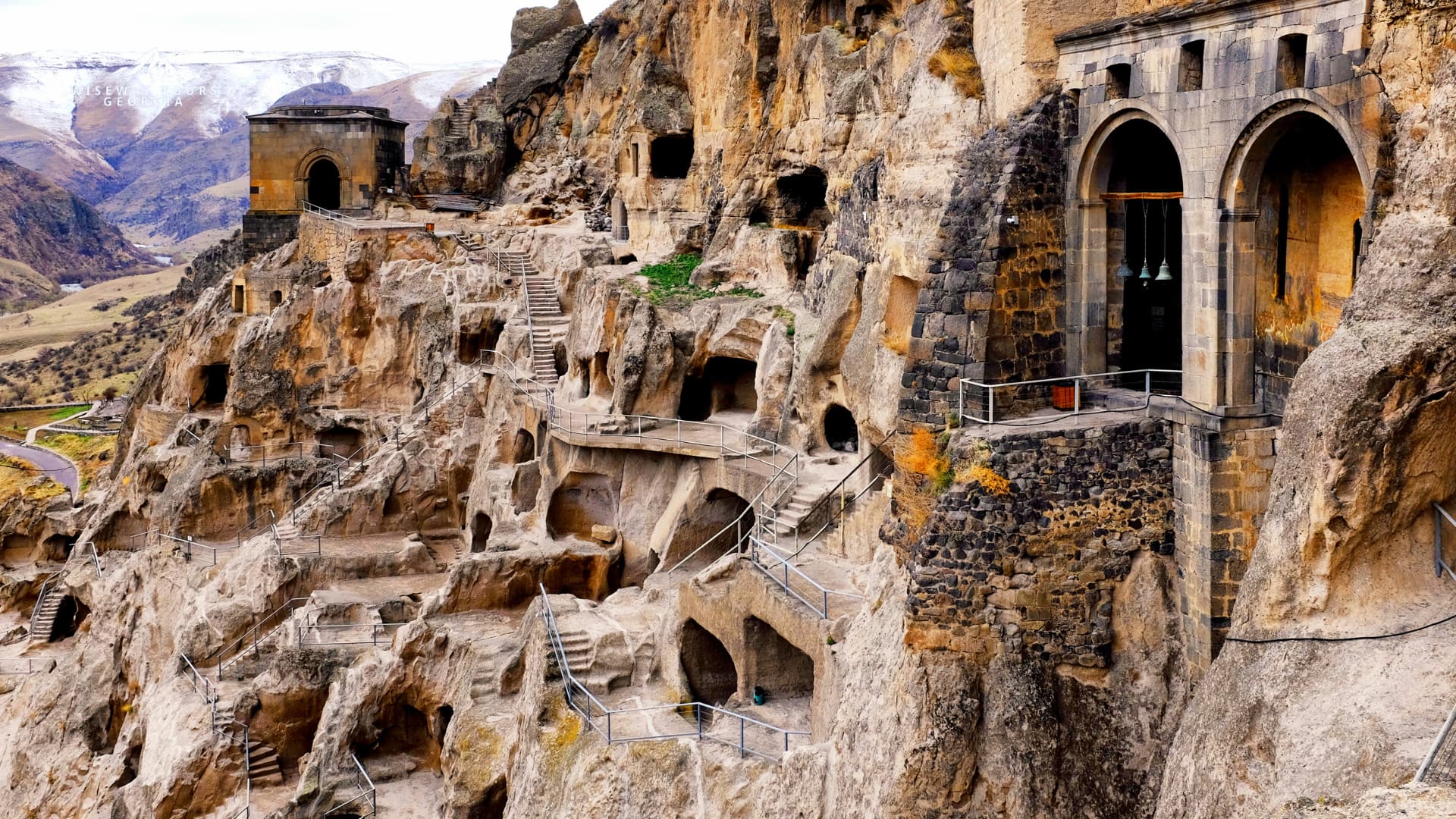
Vardzia was established in the 12th century during the reign of King Giorgi III and was completed by Queen Tamar, one of Georgia’s most famous monarchs. The monastery was built as a defensive fortress and a spiritual center, strategically located in a remote and rugged area to protect it from invasions. Its construction took place during the height of Georgia’s medieval Golden Age, reflecting the era’s architectural and artistic achievements.
Vardzia played a significant role in Georgia’s history as a center of religious, cultural, and intellectual life. It served as a major monastic center, housing monks, scholars, and artists. The monastery was a beacon of Georgian Orthodoxy and culture, contributing to the preservation and development of Georgian art, literature, and theology.
The complex was not only a spiritual center but also a site of military and political significance. Its location in a remote and rugged area made it an ideal defensive stronghold during periods of external threats, including invasions by Mongols and Turks.
Bakuriani
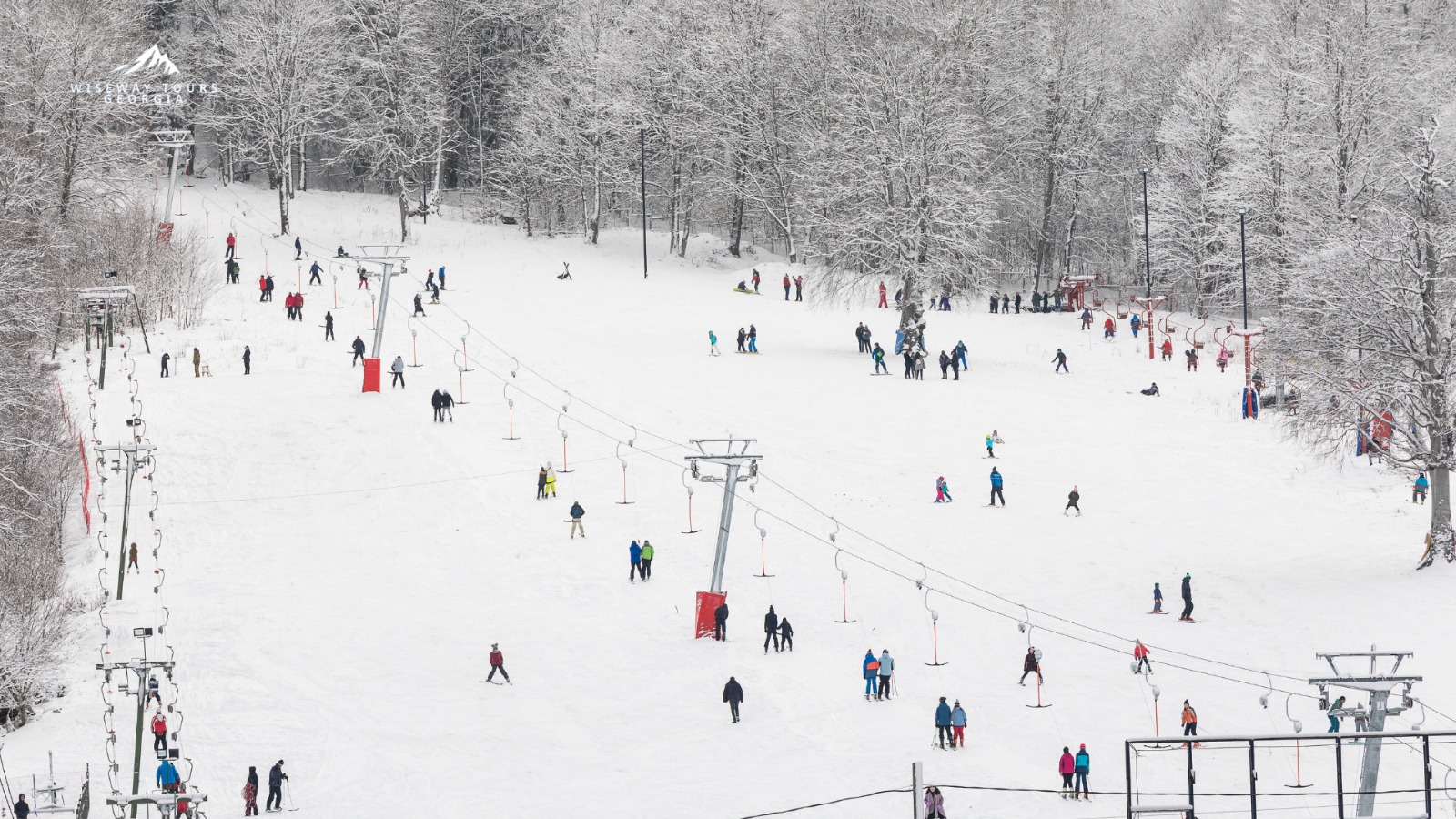
Bakuriani, located in the heart of the Lesser Caucasus Mountains, was established as a winter sports destination during the early 20th century and has since become one of Georgia’s most popular year-round resorts. The development of Bakuriani gained momentum during the Soviet era, when it was recognized for its ideal climate and terrain, making it a training ground for professional skiers and athletes. Today, Bakuriani continues to grow as a hub for both winter and summer tourism, reflecting the modern development and infrastructural achievements of Georgia.
Bakuriani has played a significant role in Georgia’s tourism history as a center of sports, leisure, and natural beauty. It serves as a major destination for both winter sports enthusiasts and summer vacationers, attracting visitors with its pristine landscapes, trails, and facilities. The resort contributes to the promotion of Georgian tourism, culture, and outdoor activities, offering year-round opportunities for adventure and relaxation.
The resort is not only a center for recreation but also a site of environmental and ecological significance. Its location in the Borjomi-Kharagauli National Park area makes it a prime spot for eco-tourism, hiking, and exploring Georgia’s rich biodiversity, while its proximity to historic sites adds to its cultural value.