
Imereti
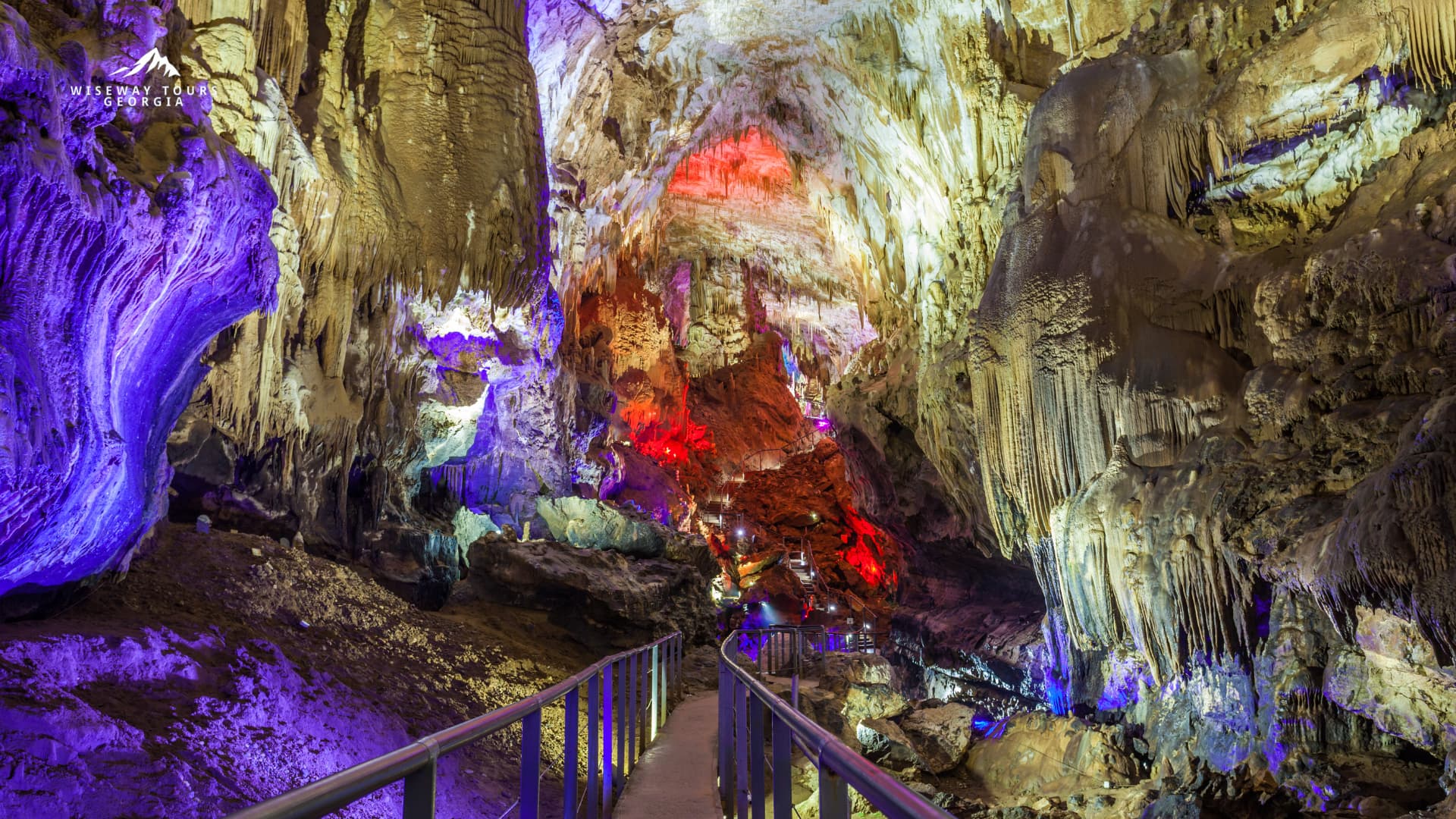
Sataplia
Sataplia is a fascinating destination that combines geological wonders, paleontological significance, and natural beauty. Its impressive cave system, fossil footprints, and scenic nature reserve make it a must-visit site for anyone interested in exploring Georgia’s rich natural heritage. Whether you’re interested in geology, paleontology, or simply enjoying picturesque landscapes, Sataplia offers a memorable and enriching experience.
One of the most significant features of the Sataplia Cave is the fossilized dinosaur footprints discovered within the cave. These footprints, believed to date back to the Late Jurassic period, provide valuable insights into the prehistoric life that once inhabited the region. The footprints are preserved in the cave’s floor and offer a fascinating glimpse into the past.
The cave system is equipped with well-maintained walkways and viewing platforms, allowing visitors to explore and appreciate its natural beauty safely. The paths are designed to showcase the cave’s stunning formations and fossil footprints.
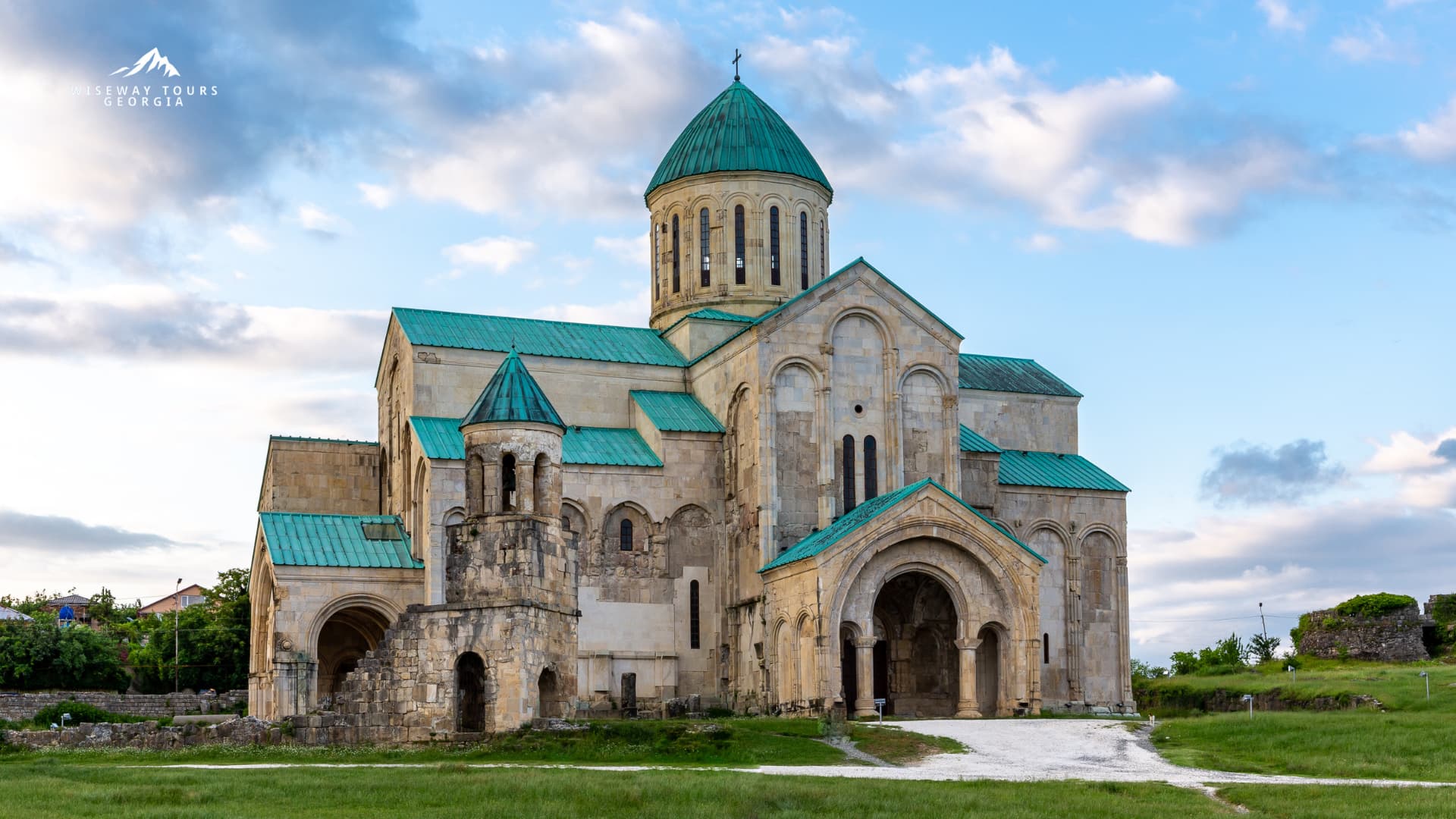
Bagrati Cathedral
Constructed during the reign of King Bagrat III in the early 11th century. It was completed in 1003 AD and was intended to serve as a symbol of the united Georgian kingdom under King Bagrat, who sought to consolidate various regional kingdoms into a single Georgian state.
The cathedral was not only a religious center but also an important political and cultural symbol for the Georgian people. It was the main cathedral of the Kingdom of Georgia and played a central role in the country’s spiritual and political life.
The Bagrati Cathedral stands as a symbol of Georgian heritage and architectural brilliance. Its rich history, unique architectural features, and cultural significance make it a must-visit destination for those interested in exploring Georgia’s medieval history and religious heritage. Despite the challenges it has faced over the centuries, the cathedral remains a powerful reminder of Georgia’s historical and cultural legacy.